
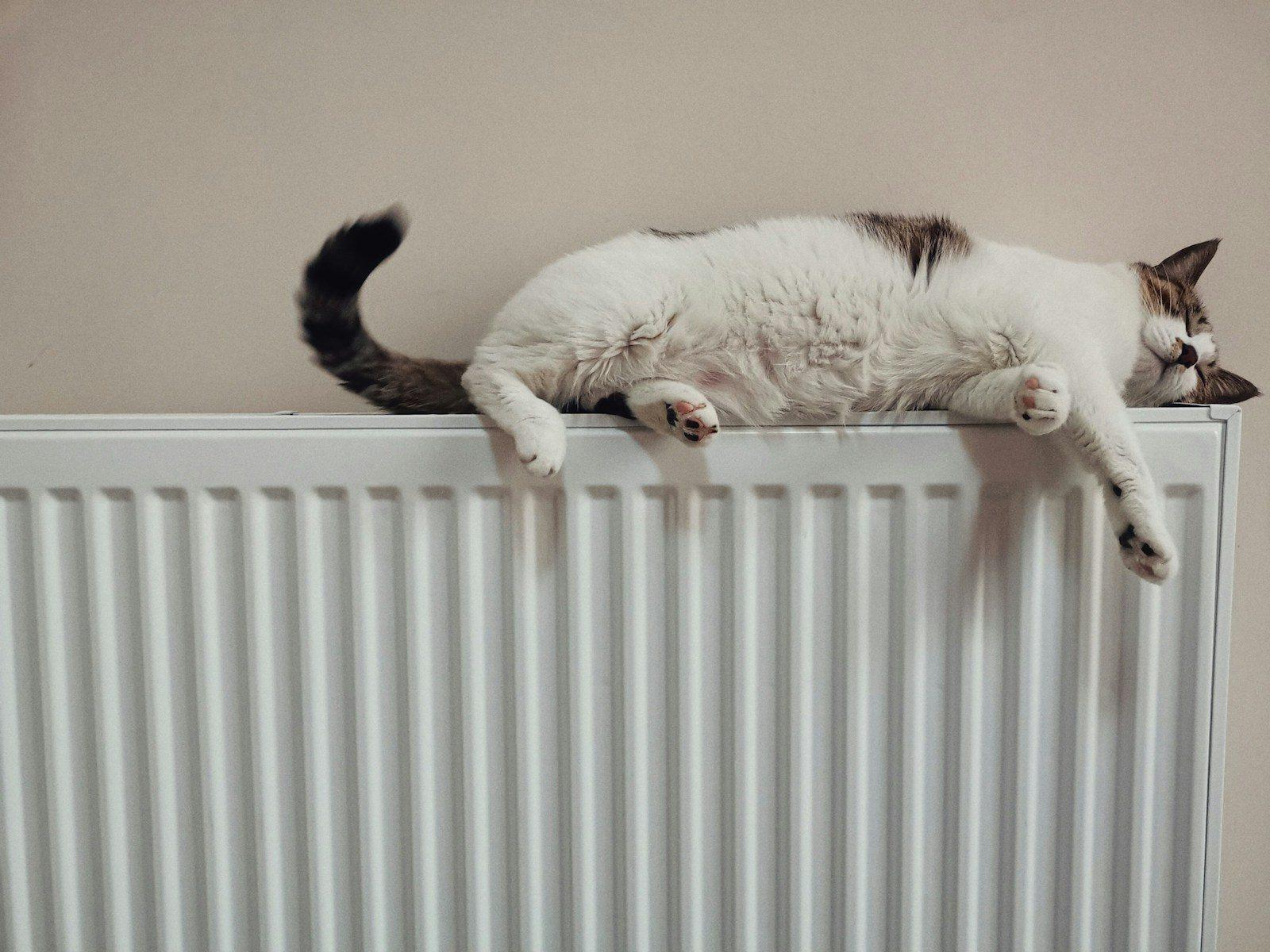
Heating costs place a heavy burden on households during colder months. Municipal programs designed to reduce these expenses provide targeted relief through subsidies, discounts, and efficiency upgrades. Families who understand how these programs operate, how to qualify, and how to apply can lower bills while maintaining safe and comfortable homes. Below are five types of municipal programs that consistently deliver meaningful support.
1. Bill Credit Programs
Bill credit programs reduce monthly heating charges for eligible households. Cities often partner with utility companies to provide credits directly on bills, lowering costs without requiring additional action from families once approved. Eligibility usually depends on income thresholds, household size, or participation in other assistance programs. Seniors and families with children are often prioritized.
Applying requires proof of residency, income documentation, and recent utility bills. Credits may last for several months or cover the entire heating season. Families benefit from predictable reductions that make budgeting easier. Municipalities promote these programs through local websites, community centers, and nonprofit partners, ensuring households know when applications open.
2. Weatherization Services
Weatherization programs focus on long‑term savings by improving household efficiency. Services include insulation upgrades, sealing leaks, and replacing outdated heating systems. Municipalities often fund these programs with support from state or federal grants, but local governments manage outreach and implementation.
Households apply by submitting income documentation and proof of residence. Once approved, technicians visit homes to assess energy use and recommend improvements. Work may include installing insulation, repairing windows, or upgrading furnaces. These changes reduce heating costs for years, making weatherization one of the most valuable municipal programs available.
Weatherization also improves safety and comfort. Proper insulation prevents drafts, reduces moisture buildup, and maintains stable indoor temperatures. Families benefit not only from lower bills but also from healthier living environments.
3. Emergency Heating Aid
Emergency heating aid provides immediate support during extreme weather. Municipalities recognize that sudden cold spells can overwhelm households, especially those with limited income. Programs may offer vouchers for heating fuel, temporary bill credits, or direct payments to utility companies.
Eligibility often requires proof of financial hardship and documentation of urgent need. Families experiencing sudden income loss or equipment failure can apply quickly. Municipal staff prioritize applications to ensure households receive assistance before conditions become dangerous.
Emergency aid programs are promoted through local hotlines, community centers, and nonprofit partners. Families should monitor announcements during winter months to ensure they know when emergency funding becomes available. Acting quickly increases the chance of approval before funds run out.
4. Senior and Vulnerable Household Discounts
Many municipalities recognize that seniors and vulnerable households face unique challenges with heating costs. Programs designed for these groups provide targeted discounts or subsidies. Seniors often qualify automatically based on age, while households with medical conditions may receive additional support.
Applications require proof of age or medical documentation. Discounts are applied directly to utility bills, reducing monthly charges without requiring ongoing action from households. Municipalities promote these programs through senior centers, healthcare providers, and local nonprofits.
These discounts not only reduce financial strain but also protect vulnerable residents from health risks associated with inadequate heating. Municipalities view them as essential tools for safeguarding community well‑being.
5. Community Outreach and Education Programs
Education programs complement financial assistance by teaching households how to reduce heating costs through simple changes. Municipalities host workshops on energy conservation, covering topics such as thermostat management, appliance maintenance, and window sealing. Families learn practical strategies that reduce usage without requiring expensive upgrades.
Outreach programs also distribute free or low‑cost supplies such as weather‑stripping, insulation kits, and programmable thermostats. These resources empower households to take immediate action. Municipal staff often partner with schools, libraries, and nonprofits to reach as many residents as possible.
Education programs ensure that households not only receive financial aid but also develop long‑term habits that reduce costs. Combining assistance with knowledge creates sustainable savings and strengthens community resilience.
Municipal programs that reduce heating costs provide households with practical relief during colder months. Bill credits, weatherization services, emergency aid, senior discounts, and education initiatives each address different aspects of the challenge. Families who research local options, prepare documentation, and apply responsibly can secure support that lowers expenses, improves efficiency, and ensures safe living conditions throughout the winter season. These programs demonstrate how municipalities can protect residents, strengthen communities, and promote financial stability through targeted assistance.

Leave a Reply