
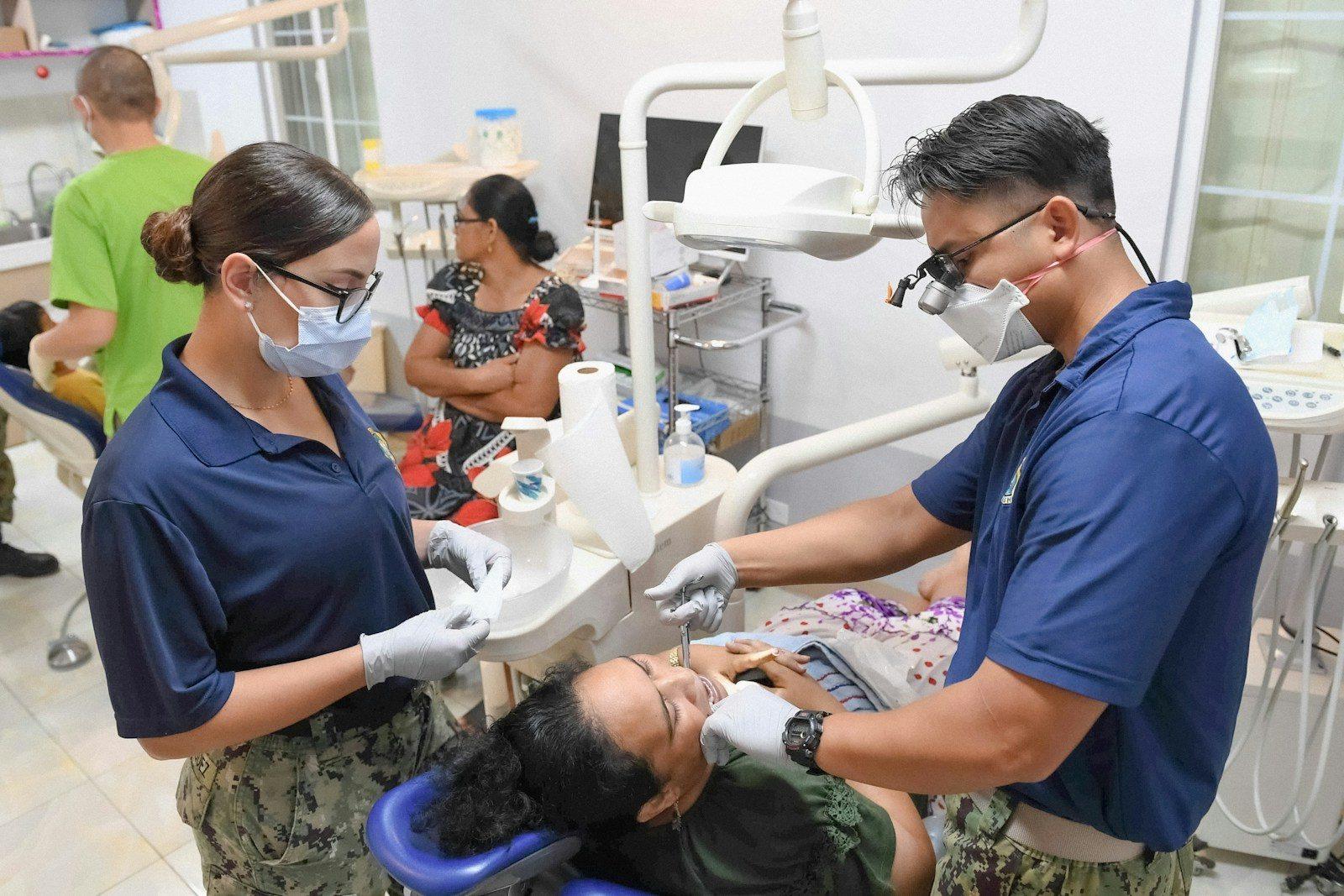
Dental care is one of the most expensive aspects of healthcare for households, and many families delay treatment because of cost. Yet across the country, community dental programs provide affordable or even free services for qualifying households. Asking about these programs before paying out of pocket ensures that families access support early, reducing financial strain and improving health outcomes. Understanding how these programs work, who qualifies, and what benefits they provide helps households make informed decisions.
What Are Community Dental Programs?
Community dental programs are initiatives operated by municipalities, nonprofits, universities, or faith‑based organizations. They provide affordable or free dental services such as cleanings, fillings, extractions, and preventive care. Programs emphasize equity, ensuring that households with limited income or no insurance receive support.
Unlike commercial clinics, community programs often operate on sliding‑scale fees or donation models. This ensures that costs are adjusted based on household income, making dental care accessible to all families.
Why Ask Before Paying Out of Pocket?
Dental bills can be overwhelming, especially for procedures such as root canals or dentures. Paying out of pocket without exploring community programs often leads to financial strain. Asking early ensures that households identify affordable options before committing to expensive treatments.
Community programs also emphasize preventive care, reducing long‑term costs. By accessing affordable cleanings and checkups, families prevent costly emergencies. Asking before paying ensures that households benefit from both immediate relief and long‑term savings.
Who Qualifies for Community Dental Programs?
Eligibility varies, but most programs prioritize low‑income households, seniors, children, and individuals with disabilities. Documentation such as proof of income, residency, or government assistance may be required. Some programs also prioritize uninsured households, ensuring that families without dental coverage receive support.
In certain regions, households already enrolled in health assistance programs automatically qualify for dental support. Others require separate applications, making it important for families to ask early.
What Services Are Provided?
Community dental programs provide a wide range of services, including:
- Preventive care such as cleanings and exams
- Fillings and extractions
- Emergency dental care for pain or infections
- Pediatric services for children
- Dentures and partials for seniors
- Education on oral hygiene and nutrition
By offering comprehensive services, programs ensure that households access both immediate relief and long‑term health benefits.
How Do Families Apply?
Applications are typically submitted through community clinics, nonprofits, or municipal offices. Families may be asked to complete forms online or in person, providing documentation of income and residency. Some programs operate on walk‑in models, allowing households to access services without appointments.
Community organizations often assist with applications, offering guidance and translation services. Families should remain proactive, contacting local clinics to learn about available programs and deadlines.
Are Services Reliable?
Reliability depends on the program, but established community dental initiatives emphasize transparency, accountability, and quality care. Many programs partner with licensed dentists, universities, or hospitals to ensure professional standards. Families should confirm that programs are reputable and well‑regulated. Asking about qualifications, equipment, and safety protocols ensures reliability.
For households, community dental programs represent reliable alternatives when managed responsibly. Communities benefit by promoting equity and reducing reliance on emergency care.
Can Community Dental Programs Be Combined With Insurance?
Yes. Families with insurance may still use community programs to reduce out‑of‑pocket costs. Programs often coordinate with insurers, ensuring that households maximize benefits. Combining resources ensures comprehensive support, reducing financial strain. Families should ask providers about combined options to strengthen stability.
Community dental programs provide households with practical support for managing dental costs. They reduce reliance on out‑of‑pocket payments, promote preventive care, and strengthen community ties. Success requires commitment from municipalities, nonprofits, and families, as well as proactive engagement in application processes. Families who ask about community dental programs before paying out of pocket reduce financial strain, improve health outcomes, and build stronger futures. For communities, these programs represent a commitment to fairness, ensuring that access to dental care is not limited by income or circumstance.

Leave a Reply