Preventive screenings are essential for detecting health issues early, often before symptoms appear. For many families, however, cost and access remain barriers. Community health fairs provide a practical solution by offering free or low‑cost screenings in accessible locations. Understanding how these fairs operate, what services they provide, and how to prepare ensures that households can take advantage of opportunities that improve long‑term health outcomes.
Understanding Community Health Fairs
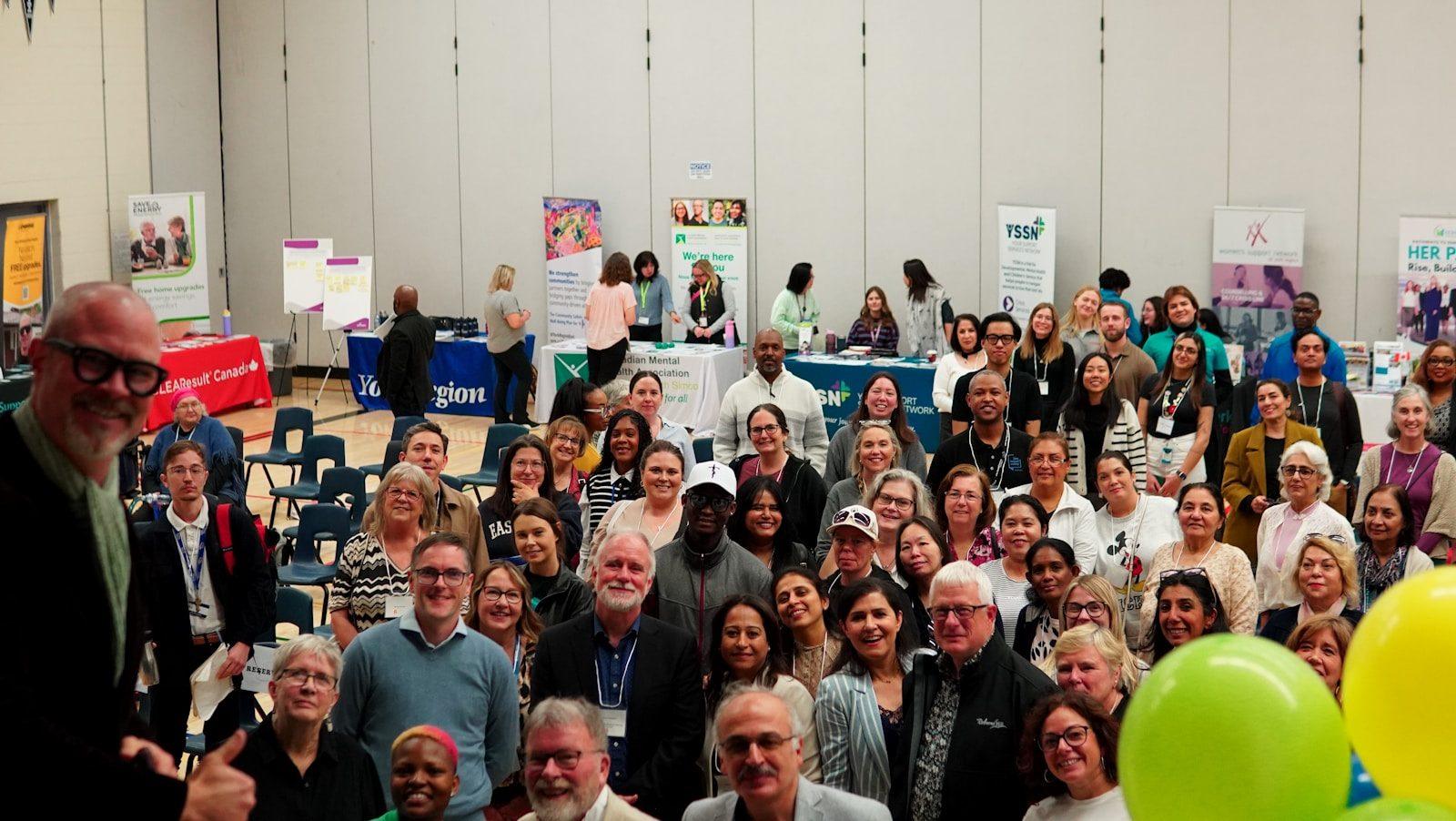
Community health fairs are organized events sponsored by hospitals, nonprofits, local governments, or educational institutions. Their purpose is to bring preventive healthcare directly to neighborhoods, especially those with limited access to clinics. Screenings offered often include blood pressure checks, cholesterol tests, glucose monitoring, vision exams, and cancer risk assessments. Some fairs also provide vaccinations, dental evaluations, and mental health consultations.
These events are designed to reduce barriers such as cost, transportation, and scheduling. Families who cannot afford regular checkups gain access to essential services without financial strain. Health fairs also serve as educational platforms, offering information about nutrition, exercise, and disease prevention. Organizers aim to empower communities with knowledge and tools that support healthier lifestyles.
Preventive screenings at health fairs are not replacements for full medical care, but they provide valuable early detection. Identifying risks such as high blood pressure or elevated glucose levels allows individuals to seek follow‑up treatment before conditions worsen. This proactive approach reduces long‑term healthcare costs and improves quality of life.
Steps to Prepare and Participate
- Locate Upcoming Events Search local government websites, hospital bulletins, and nonprofit announcements for health fair schedules. Public libraries and community centers often post flyers with event details. Many fairs are held annually or seasonally, making it important to track dates in advance.
- Review Available Screenings Each fair offers different services. Some focus on chronic disease prevention, while others emphasize maternal health or child wellness. Review the list of screenings to determine which are most relevant for your household. Knowing what is available helps you prepare questions and documentation.
- Gather Necessary Documents Organizers may request identification, proof of residency, or insurance information. Even when services are free, documentation helps track participation and ensures accurate reporting. Prepare these materials in advance to avoid delays.
- Plan for Time and Transportation Health fairs often attract large crowds. Arrive early to secure a place in line and allow enough time for multiple screenings. If transportation is a challenge, coordinate with neighbors or community groups that provide shuttle services.
- Engage With Health Educators Many fairs include workshops or counseling sessions. Take advantage of these opportunities to learn about nutrition, exercise, and disease prevention. Asking questions helps clarify how screening results relate to daily habits.
- Follow Up After Screenings Results provided at health fairs may indicate risks that require medical attention. Schedule appointments with healthcare providers to confirm findings and begin treatment if necessary. Keep copies of results for future reference.
Expanding Access Through Partnerships
Community health fairs succeed because of partnerships between organizations. Hospitals provide medical staff, nonprofits contribute funding, and local governments supply venues. Educational institutions often involve students in nursing or public health programs, giving them practical experience while expanding service capacity. These collaborations ensure that fairs reach underserved populations and deliver comprehensive care.
Technology also plays a role in expanding access. Mobile health units equipped with diagnostic tools travel to rural areas, bringing screenings directly to communities that lack clinics. Digital platforms allow organizers to register participants, track outcomes, and share educational materials online. These innovations increase efficiency and broaden the reach of preventive services.
Employers and faith‑based organizations contribute by hosting fairs at workplaces or places of worship. This approach integrates healthcare into daily life, making screenings more convenient. Families who might otherwise skip preventive care gain access in familiar settings, reducing hesitation and increasing participation.
Top 10 Screenings Commonly Offered
- Blood pressure measurement for hypertension detection
- Cholesterol testing to assess cardiovascular risk
- Glucose monitoring for diabetes prevention
- Body mass index calculation for weight management
- Vision exams to identify eye health issues
- Dental evaluations for oral health maintenance
- Cancer risk assessments such as breast or prostate checks
- Immunizations for flu, tetanus, or childhood diseases
- Mental health consultations for stress or depression screening
- Nutrition counseling to support healthier eating habits
These screenings provide a broad overview of health status and highlight areas that may require further medical attention.
Community health fairs offer households an accessible path to preventive screenings that improve long‑term health outcomes. They reduce barriers by providing free or low‑cost services, expand access through partnerships, and empower communities with education. Preparing in advance, engaging with health educators, and following up on results ensures that families gain maximum benefit. Preventive care delivered through health fairs strengthens communities, lowers healthcare costs, and helps individuals live healthier lives with confidence.

Leave a Reply