Energy bills are a major expense for households, especially during seasons of high demand. Municipal energy efficiency rebate programs provide financial incentives to encourage families to adopt technologies and practices that reduce consumption. These rebates lower household costs, improve sustainability, and strengthen community resilience. Understanding how rebate programs operate, who qualifies, and how to apply ensures that families can maximize savings while contributing to broader environmental goals.
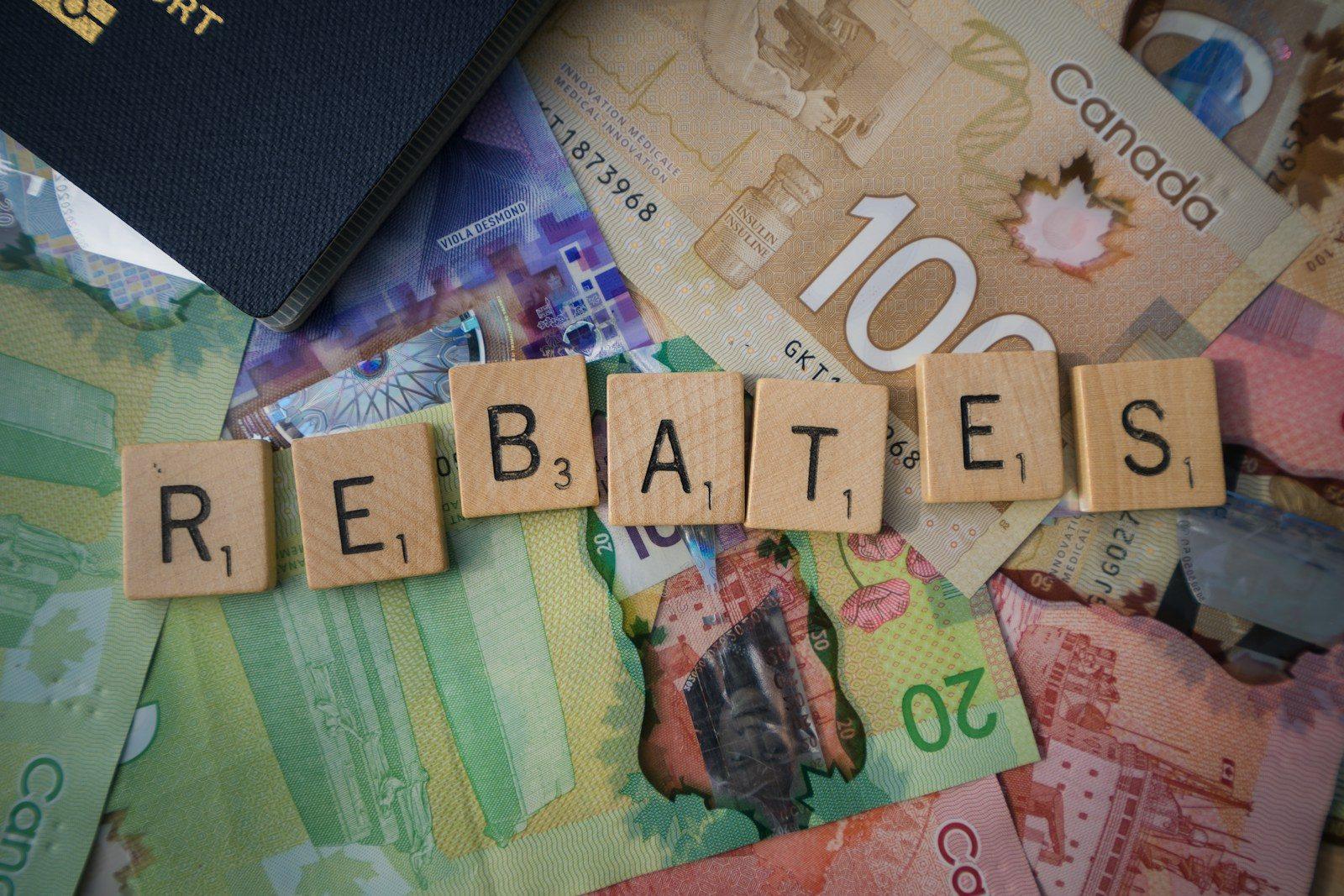
Municipal energy efficiency rebates are financial incentives funded by local governments, utility companies, or nonprofit partners. Their purpose is to reduce household energy consumption by encouraging upgrades such as efficient appliances, insulation, or renewable energy systems. Rebates are typically offered as partial reimbursements after purchase, lowering upfront costs and making efficiency improvements more accessible.
These programs align with public policy goals. Cities use rebates to reduce strain on energy grids, lower greenhouse gas emissions, and promote sustainability. Utility companies benefit by reducing peak demand, while households gain from lower monthly bills. Rebates often target specific upgrades such as LED lighting, smart thermostats, efficient water heaters, or solar panels. Some municipalities also provide rebates for weatherization services, ensuring that homes maintain stable temperatures with less energy use.
Eligibility requirements vary. Some programs target low‑income households, while others are open to all residents. Applicants must usually provide proof of residency, purchase receipts, and documentation of installation. Understanding these requirements helps families plan upgrades and secure rebates effectively.
How Rebate Programs Operate
Rebate programs operate through partnerships between governments, utility providers, and retailers. Households purchase eligible products or services, submit applications with receipts, and receive partial reimbursements. Rebates may cover a percentage of costs or provide fixed amounts depending on the upgrade. For example, a city may offer $100 rebates for smart thermostats or $500 rebates for efficient water heaters.
Programs emphasize accountability. Applicants must provide documentation to confirm purchases and installations. Some municipalities require inspections to verify compliance. This ensures that funds are used effectively and that upgrades deliver measurable energy savings. Rebates are often funded through utility surcharges or municipal budgets, making them sustainable long‑term.
Technology expands access further. Online portals allow households to apply electronically, track application status, and receive updates. Mobile apps provide reminders about deadlines and documentation requirements. Retailers also participate by promoting rebate‑eligible products and assisting with applications. These innovations reduce barriers and make programs more accessible to families with limited time or transportation.
Steps to Apply Successfully
- Research Available Programs Begin by identifying rebate programs in your city or county. Government websites, utility company portals, and nonprofit directories often list current opportunities. Community centers and libraries may also provide information.
- Review Eligibility Requirements Each program sets specific criteria. Some require proof of income, while others focus on residency or specific upgrades. Carefully read requirements to ensure your household qualifies before applying.
- Plan Upgrades Strategically Rebates often target specific products. Plan purchases to maximize savings. For example, combining rebates for insulation, appliances, and thermostats can reduce costs significantly.
- Gather Documentation Keep receipts, installation records, and proof of residency. Organized documentation speeds up the process and demonstrates readiness. Some programs may also request photos or inspection reports.
- Complete the Application Form Applications typically require personal information, purchase details, and supporting documents. Write clearly and avoid unnecessary details. Focus on explaining how upgrades improve efficiency.
- Submit Before Deadlines Rebate programs often operate on seasonal timelines. Submit applications early to avoid missing opportunities. Late submissions are rarely accepted.
- Follow Up With Program Staff After submission, contact program staff to confirm receipt and ask about review timelines. Proactive communication shows commitment and may provide valuable updates.
- Maintain Upgrades Rebates require responsible use. Maintain appliances and systems to ensure long‑term savings. Proper maintenance maximizes benefits and demonstrates accountability.
Long‑Term Impact on Household Costs
Municipal energy efficiency rebates reduce household costs by lowering monthly utility bills. Efficient appliances consume less electricity, insulation reduces heating and cooling needs, and smart thermostats optimize energy use. Over time, these savings outweigh initial investments, making rebates a valuable financial tool.
Households benefit by avoiding financial strain during peak demand seasons. Communities benefit by reducing overall energy consumption, lowering emissions, and strengthening resilience. Governments benefit by achieving sustainability goals and reducing strain on infrastructure. Rebates demonstrate that investing in efficiency saves money and improves quality of life.
Municipal energy efficiency rebates provide households with practical support for reducing energy costs. They fund upgrades such as efficient appliances, insulation, and renewable systems, ensuring that families lower bills and improve sustainability. Success requires careful research, organized documentation, and full engagement in programs. Partnerships between governments, utilities, and retailers expand access and strengthen community resilience. Families who participate in rebate programs reduce financial strain, improve efficiency, and build stronger futures. For communities, these rebates represent a commitment to equity, ensuring that access to energy savings is not limited by income or circumstance.

Leave a Reply