
Preventive health screenings are not just routine check‑ups; they are proactive investments in long‑term well‑being. Families who prioritize screenings catch risks early, reduce healthcare costs, and strengthen resilience. Below are ten screenings explained in greater depth, with added context on why they matter, how often they should be done, and what households gain by staying consistent.
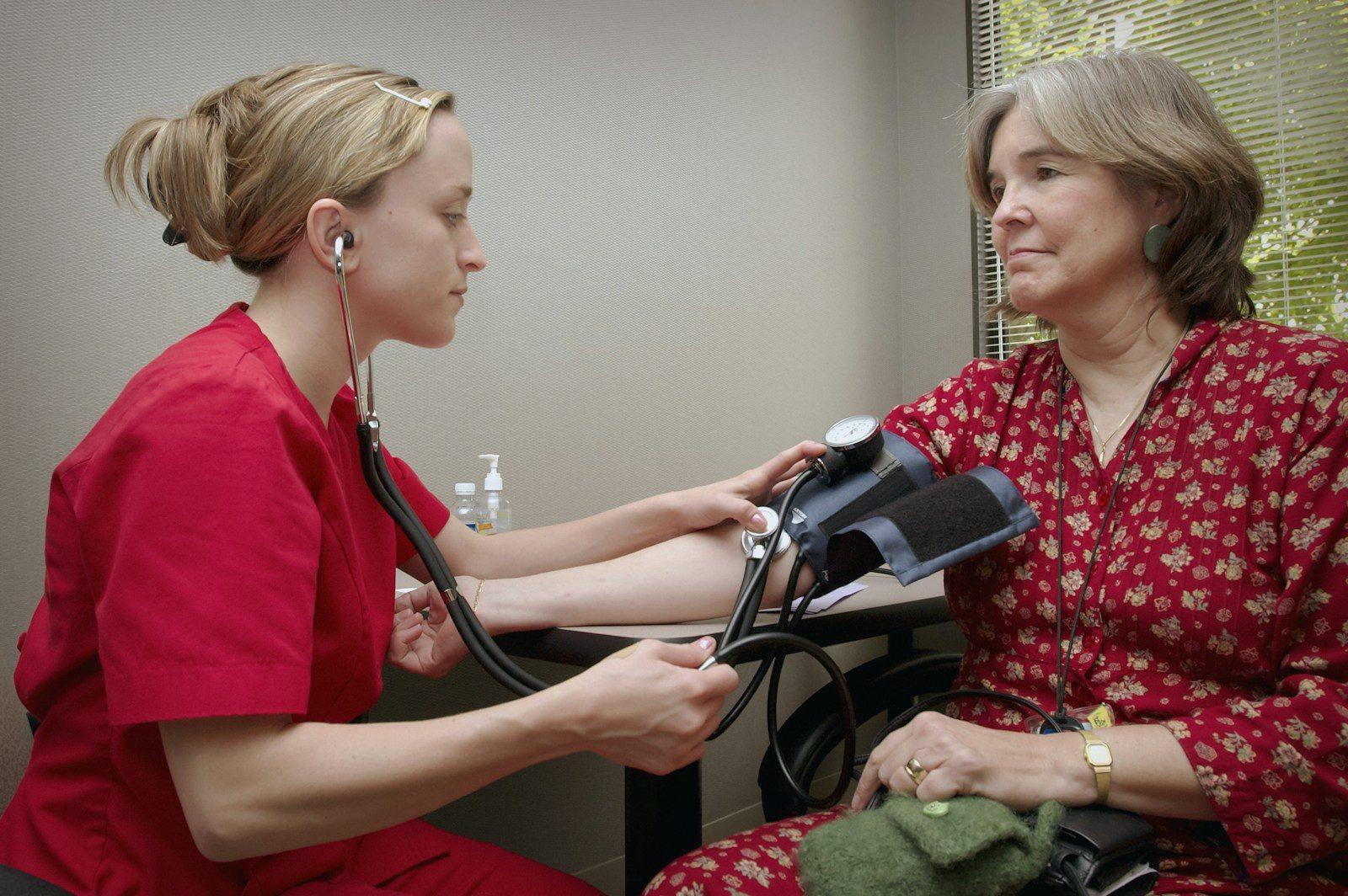
1. Blood Pressure Screening
High blood pressure is often called the “silent killer” because it rarely shows symptoms until serious complications arise. Regular screenings at clinics, pharmacies, or even at home with digital monitors help detect hypertension early. Families should check blood pressure at least once a year, or more frequently if risk factors such as obesity, smoking, or family history are present. Early detection allows for lifestyle changes—like reducing salt intake or increasing exercise—that can prevent strokes and heart attacks.
2. Cholesterol Screening
Cholesterol screenings measure LDL (“bad” cholesterol), HDL (“good” cholesterol), and triglycerides. Elevated LDL levels increase the risk of clogged arteries, while low HDL levels reduce protection against heart disease. Adults should have cholesterol checked every 4–6 years, though households with risk factors may need annual tests. Families benefit by identifying dietary changes—such as reducing fried foods or increasing fiber—that lower risks. These screenings are especially important for middle‑aged adults, where cardiovascular disease risk begins to climb.
3. Diabetes Screening
Diabetes screenings measure fasting blood sugar or HbA1c levels, which reflect average glucose over several months. Families with obesity, sedentary lifestyles, or genetic predispositions should prioritize these tests. Early detection prevents complications such as kidney disease, nerve damage, and vision loss. Screenings also help households adopt healthier habits, like portion control and regular exercise. Pediatric screenings are increasingly important as childhood obesity rates rise, ensuring that risks are managed early.
4. Cancer Screenings
Cancer screenings vary by type: mammograms for breast cancer, colonoscopies for colorectal cancer, Pap smears for cervical cancer, and low‑dose CT scans for lung cancer in high‑risk individuals. These screenings save lives by detecting cancers before they spread. Families should follow age‑specific guidelines—for example, colonoscopies beginning at age 45. Communities benefit when screenings reduce mortality rates, and households gain peace of mind knowing risks are managed proactively.
5. Immunization Reviews
Vaccines are preventive tools that protect against infectious diseases. Immunization reviews ensure that children, adults, and seniors remain up to date. Families should confirm schedules for flu shots, tetanus boosters, and childhood vaccines such as MMR (measles, mumps, rubella). Reviews also identify gaps in protection, especially for households with international travel. Preventive immunization reduces outbreaks, strengthens community resilience, and lowers healthcare costs associated with hospitalizations.
6. Dental Checkups
Dental screenings go beyond cleanings—they detect cavities, gum disease, and oral cancers. Poor oral health is linked to systemic conditions such as heart disease and diabetes. Families should schedule dental checkups twice a year. Preventive care reduces the need for costly procedures like root canals or dentures. Teaching children oral hygiene during screenings also builds lifelong habits. Communities benefit when dental health reduces burdens on emergency rooms.
7. Vision and Hearing Screenings
Vision screenings detect conditions such as glaucoma, cataracts, and refractive errors. Hearing screenings identify early signs of hearing loss, which can affect communication and education. Families should schedule screenings every 1–2 years, especially for children and seniors. Corrective measures such as glasses, hearing aids, or surgery improve quality of life. Preventive screenings reduce risks of accidents, improve academic performance, and strengthen household resilience.
8. Mental Health Screenings
Mental health screenings assess risks of depression, anxiety, and stress. Families benefit by accessing counseling and support early, reducing long‑term strain. Screenings may involve questionnaires, interviews, or referrals to specialists. Communities benefit when households address mental health proactively, reducing stigma and strengthening resilience. Preventive mental health care ensures that families remain stable during transitions such as job loss, divorce, or illness.
9. Bone Density Screenings
Bone density screenings measure risks of osteoporosis, a condition that weakens bones and increases fracture risks. Screenings are especially important for women over 50 and seniors. Families benefit by preventing injuries that reduce independence. Preventive measures include calcium intake, vitamin D supplementation, and weight‑bearing exercise. Communities benefit by reducing healthcare costs associated with fractures and long‑term care.
10. Pediatric Growth and Development Screenings
Children require regular screenings to monitor growth, nutrition, and developmental milestones. Pediatric screenings identify risks such as delayed speech, learning difficulties, or growth disorders. Families benefit by accessing early interventions that strengthen resilience. Communities benefit by promoting equity across generations, ensuring that children remain healthy and prepared for education. Preventive pediatric care builds stronger futures for households and communities alike.
Why Families Should Prioritize All Ten Screenings
Each screening addresses a different aspect of health, but together they form a comprehensive safety net. Blood pressure and cholesterol screenings prevent cardiovascular disease, diabetes screenings reduce complications, cancer screenings save lives, immunization reviews prevent outbreaks, dental checkups strengthen systemic health, vision and hearing screenings improve quality of life, mental health screenings promote stability, bone density screenings prevent injuries, and pediatric screenings ensure healthy development.
Families who prioritize all ten screenings reduce financial strain, improve stability, and build stronger futures. Communities benefit by promoting equity, reducing healthcare costs, and strengthening resilience. Preventive screenings represent fairness, ensuring that access to healthcare is not limited by income or circumstance.

Leave a Reply