
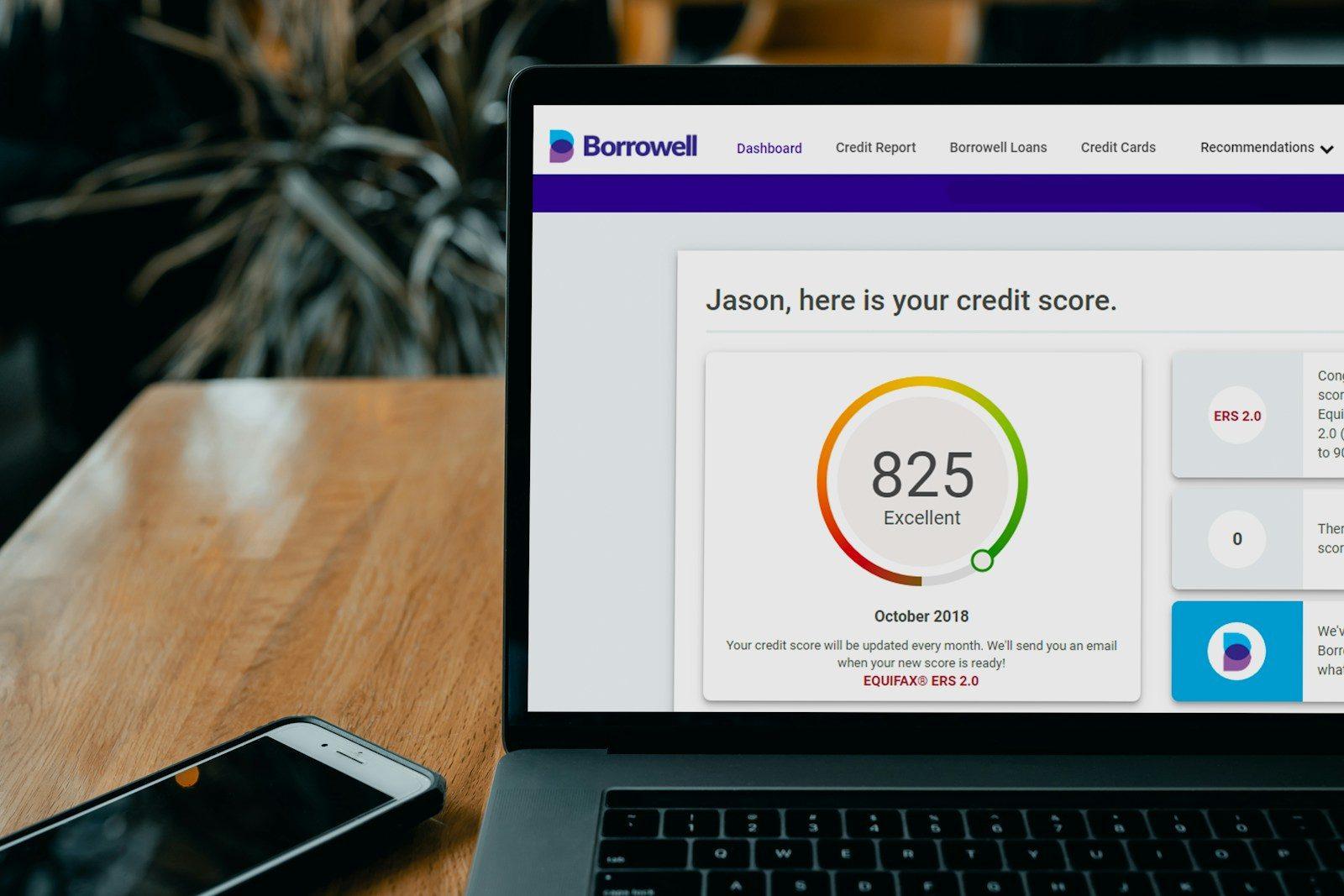
Traditional credit scores, such as FICO, have long dominated lending decisions. Yet in 2026, lenders increasingly rely on alternative scoring models that provide broader insights into household financial behavior. These models emphasize equity, ensuring that individuals without long credit histories or traditional borrowing patterns are not excluded. Understanding the top alternative scores helps households prepare for lending decisions, strengthen financial stability, and reduce barriers to credit.
1. VantageScore 4.0
VantageScore has become one of the most widely used alternatives to FICO. Version 4.0 incorporates trended data, analyzing how households manage credit over time rather than relying solely on static balances. This model emphasizes patterns, such as whether families consistently pay down debt or carry balances month to month.
For households, VantageScore provides opportunities to demonstrate responsible behavior even if credit histories are short. Lenders benefit by gaining deeper insights into long‑term financial management. In 2026, VantageScore is widely adopted by banks, credit unions, and fintech lenders.
2. Experian Lift Premium Score
Experian’s Lift Premium Score integrates traditional credit data with alternative sources such as utility payments, rent reporting, and public records. This model emphasizes inclusivity, ensuring that households without credit cards or loans can still demonstrate reliability.
For families, Lift Premium provides opportunities to build credit through everyday payments. Lenders benefit by accessing broader data sets that reduce risk. In 2026, Lift Premium is increasingly used by fintech platforms and community lenders seeking to expand access.
3. Equifax DataX Alternative Score
Equifax’s DataX model incorporates non‑traditional data such as payday loan history, telecommunications payments, and short‑term credit activity. This model emphasizes risk management, ensuring that lenders understand household behavior beyond traditional credit lines.
For households, DataX provides opportunities to demonstrate reliability even if borrowing patterns are unconventional. Lenders benefit by reducing defaults and expanding access to underserved populations. In 2026, DataX is widely used in subprime lending markets and community finance programs.
4. TransUnion CreditVision Score
TransUnion’s CreditVision model emphasizes trended data and alternative sources such as rental payments, utility bills, and subscription services. This model provides lenders with insights into household stability and consistency.
For families, CreditVision ensures that responsible behavior in everyday payments strengthens credit profiles. Lenders benefit by accessing comprehensive data that reduces risk. In 2026, CreditVision is widely adopted by mortgage lenders and auto finance companies.
5. Fintech Proprietary Scores
Fintech companies increasingly develop proprietary scoring models that integrate digital data such as mobile payments, e‑commerce activity, and subscription histories. These models emphasize innovation, ensuring that households with limited traditional credit histories can still access loans.
For families, fintech scores provide opportunities to demonstrate reliability through digital behavior. Lenders benefit by accessing real‑time data that strengthens decision‑making. In 2026, fintech scores are widely used in personal lending, microfinance, and peer‑to‑peer platforms.
Expanded Insights: Why Alternative Scores Matter
Alternative credit scores matter because they promote equity and inclusivity. Traditional models often exclude households without long credit histories, creating barriers to loans, housing, and employment. Alternative models incorporate broader data, ensuring that families are not penalized for unconventional financial behavior.
They also reduce risk for lenders. By analyzing trended data and alternative sources, lenders gain deeper insights into household stability. This reduces defaults and strengthens financial systems.
Finally, alternative scores build resilience. Families who participate in rent reporting, utility payments, and digital transactions strengthen credit profiles without relying solely on loans. Communities benefit by expanding access to credit, promoting equity, and reducing disparities.
Alternative credit scores provide households with practical opportunities to strengthen financial stability. VantageScore emphasizes trended data, Experian Lift Premium integrates everyday payments, Equifax DataX incorporates unconventional borrowing, TransUnion CreditVision expands insights, and fintech scores innovate with digital behavior. Each model addresses barriers that prevent households from accessing traditional credit, ensuring that opportunities are not limited by history or circumstance. Families who engage with alternative scores reduce financial strain, improve access to loans, and build stronger futures. For communities, these models represent a commitment to fairness, ensuring that access to credit is not limited by outdated systems.

Leave a Reply